
養鶏場 POULTRY FARM

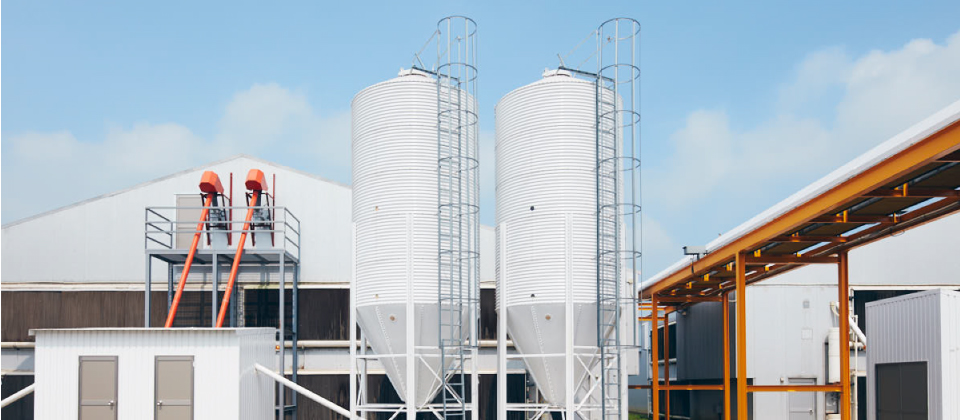
Our aviaries (windowless and cage-free) are constantly maintained in sanitary conditions. We enforce strict controls to ensure that feed, water, and air used throughout are free of harmful bacteria.
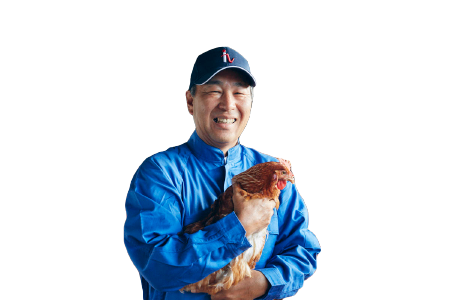
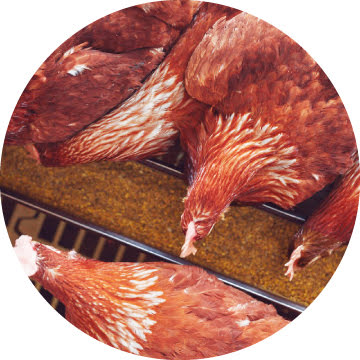

飼料の検査を徹底。
飼料のサルモネラ検査を実施し、製造日付、ロットNO、入荷量も記録しています。また鶏のヒナも導入前・育成中にサルモネラ検査を実施しています。 飼料、水の質など清潔な環境で飼育しています。We perform Salmonella tests on our feed and log the production date, lot number, and quantity received. Chicks are also tested for Salmonella prior to being introduced to the aviary. Our hens are raised in a clean climate with stringent care over their feed and vectors like water quality..
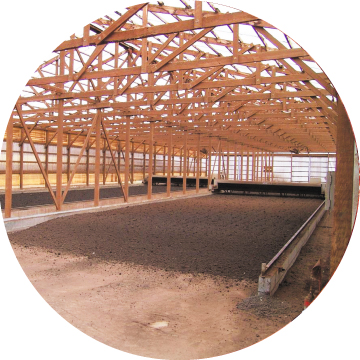

たい肥を良質な
有機肥料へ。
鶏フンは2ヵ月かけて醗酵させ、有機肥料として利用されます。それらは農家の方やホームセンター、ゴルフ場で使用されます。くらもちではゴミゼロ運動を常に実施しています。さらに専門業者によるネズミや害虫の駆除や、マイナスイオン水供給なども行っています。
Chicken excrement is fermented for two months and used as an organic fertilizer. This is used on farms, hardware stores, and golf courses. Kuramochi is constantly pursuing zero-waste initiatives. We also work with specialists in rat and harmful pest removal, and supply negative ion water.
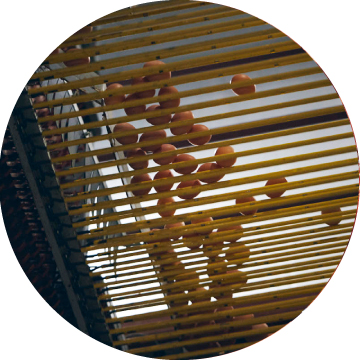

安全な卵だけを選別。
鶏舎から集めた卵から、割れている卵や、洗っても落ちない汚れがついている卵、規格外の卵をチェック・選別します。その後、さらに厳しい検査と出荷準備する施設である、GPセンターへ運びます。After collecting eggs from our poultry houses, we check and select them to remove cracked or stained eggs that do not meet our standards. These eggs are then shipped to our GP Center, which conducts stringent testing before shipment.
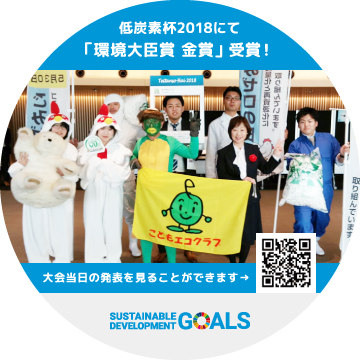

くらもちは SDGsの達成に取り組みます。
持続可能な地球、そして社会、環境、経済を、未来の世代に託するための運動にくらもちも精いっぱいコミットをしていきます。 「鶏も人も地球も幸せ」持続可能な養鶏を追求します。 「動物福祉」・・水、餌、平飼い鶏舎にこだわった、にわとりに優しい飼育環境。 「食の安全」・・徹底した品質管理で出荷される人に優しいたまご。 「CO2削減」・・・エネルギー、燃料の削減。鶏ふん、卵殻は有機肥料として全量リサイクル。 「地球温暖化防止推進活動」小学校の環境学習会の実施、ごみゼロの推進活動Kuramochi is fully committed to leave a sustainable planet, society, environment, and economy to the next generation.
We are pursuing sustainable chicken farming where “the chickens, people, and earth are happy.” Animal welfare: We are fastidious about the water, feed, and flat chicken house to provide a friendly environment for raising chickens. Food safety: People-friendly eggs are shipped under thorough quality control. CO2 reduction: Energy and fuel reduction. All chicken droppings and egg shells are recycled into organic fertilizer. “Global warming prevention promotion activities” study classes held at elementary schools, zero garbage promotion activitiesGPセンター GP CENTER
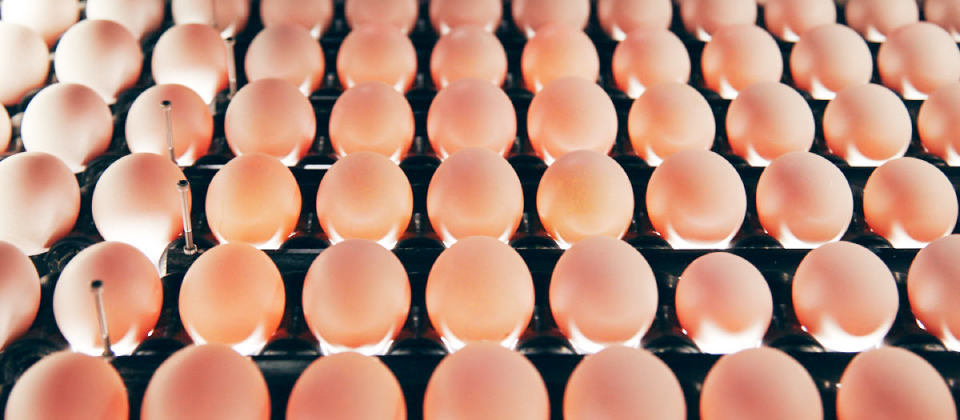
Our GP Center (Grading and Packing Center) grades and sorts eggs before packaging them and shipping them.
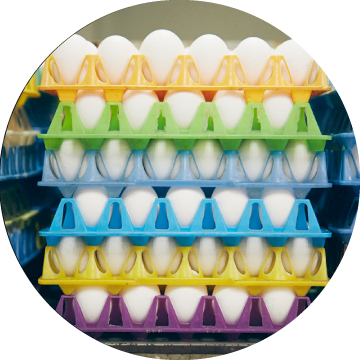
低温管理で品質
を守る「原卵室」
養鶏場から届いたタマゴは原卵室で待機します。低温管理によって品質を落としません。夜間は建物全体をオゾンガスで殺菌消毒。オゾンは空気から造られ、噴霧後は素早く空気に戻ります。
After eggs arrive from the poultry farm, they are stored at the raw egg chamber. The low temperature gradients ensure the quality stays intact. At night, the entire building is sterilized using ozone gas. The ozone is produced from the air, and returns back into the air after being sprayed.
殺菌と安全検査
の徹底。
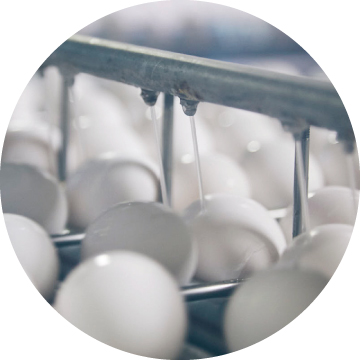
卵の表面をブラシと炭酸次亜水を使って殺菌・消臭し、送風で乾燥させます。目視による透光検卵で表面と中身に異常がないか確認し、目視で確認できなかったものは血卵検知機、ヒビ卵検知機で確認します。
We utilize brushes and carbonic sanitized water to sterilize the surface of eggs, then blow dry them. A visual translucency test is used to check for abnormalities in the surface and interior of the egg, with a bloody egg test and crack detector used for other abnormalities not observable with the naked eye.
格付けした後、
低温出荷。
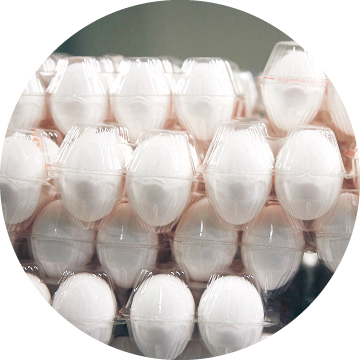
鶏卵を規格取引上の卵重区分(SS、S、MS、M、L、LL)に格付け(分別)します。パック詰めした後、チルド車で低温出荷します。
Eggs are rated by weight (SS, S, MS, M, L and LL) and graded for sorting. After packing, the eggs are shipped chilled in a low temperature van.
加工用の液卵の
製造も。
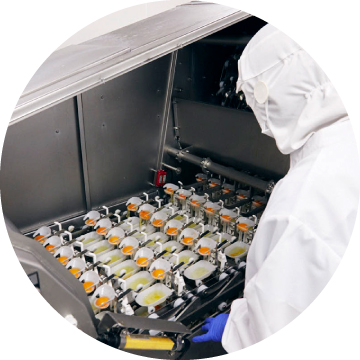
くらもちには「液卵工場」もございます。殻を割り中身だけの状態の未殺菌液全卵を製造しておりプリン・厚焼きたまご等の製造メーカーなどへ幅広く販売させて頂いております。その他、お客様のニーズに対応すべく殺菌液全卵や殺菌凍結全卵も製造しております。
The Kuramochi headquarters features a liquid egg plant that is used to produce liquid eggs for the manufacture of puddings, breads, rolled eggs, sweets, and cakes. We produce frozen egg liquid from cracked eggs and store it refrigerated.
平飼い鶏舎
CAGE-FREE EGGS
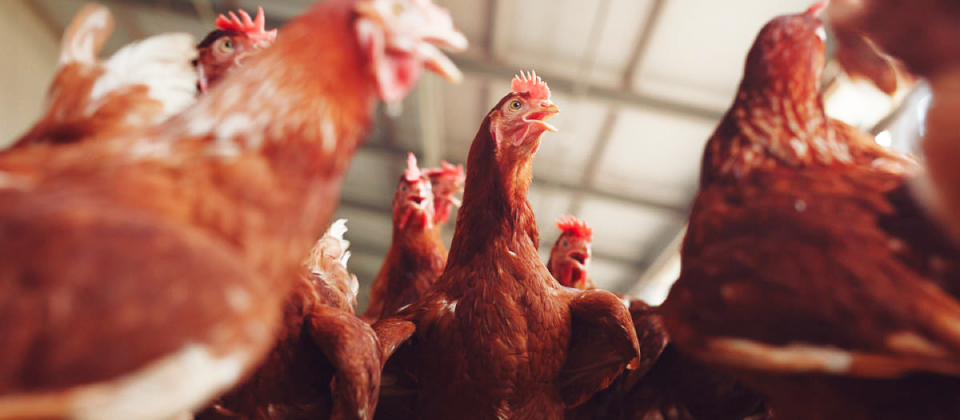
Cage-free and stress-free. Cage-free raising is the de facto technique used in Europe. It enables the hens to have more motility. The hens have less stress and grow healthy and hardy.
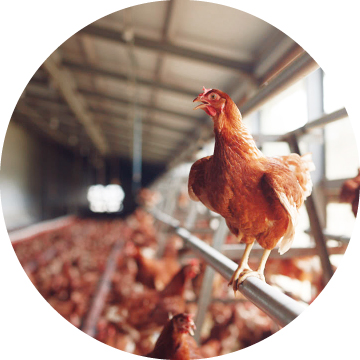
清潔で安全な屋内で
の平飼い。
くらもちの「平飼い」は怪我や病気から鶏を守るため、屋内鶏舎なので野鳥や野生動物と接触しません。鶏舎の足元を網目状にして排泄物との接触を防止。一日三回、清掃作業を行い、常に清潔な状態に保っています。
Kuramochi’s approach to cage-free raising protects the hens from injury and illness. The indoor coops also ensure that the hens do not come in contact with wild birds or animals. The floor is made of mesh netting to keep excrement out and prevent contact. We perform cleanings thrice daily to maintain a hygienic environment.
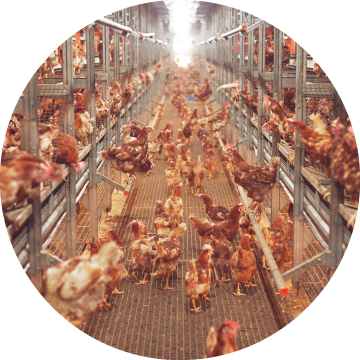
多段式平飼いで
健康的に。
設計段階からくらもちの要望を出して完成した「多段式平飼い鶏舎」。鶏舎内は鶏たちが自由に跳んだり走ったりできる放し飼いの状態。運動量が多いので、鶏たちはいつも食欲旺盛です。
The tiered aviary style we use is the result of Kuramochi’s specific goals from early on the design stages. We employ a cage-free chicken coop where the hens are free to jump and run about. The chickens are subject to more movement and activity, which keeps their appetites up.
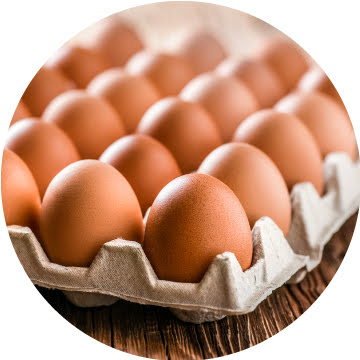
卵は専用の巣箱
で産む。
鶏たちは「とまり木」で眠ります。鶏の習性を考え、ストレスの少ない生活環境を整えています。また卵を産む時は専用の巣箱に入って産みます。暗く、静かな空間だから、鶏も安心して良い卵を産んでくれるのです。
The hens sleep on a dedicated perch. We carefully consider the habits of hens and maintain an environment that is low-stress for them. The hens use dedicated nest boxes when laying eggs. The dark, quiet space allows the hens to be at ease to lay eggs.
